


Child Injured in Toronto Park Coyote Encounter, but Wildlife Group Disputes Police Account
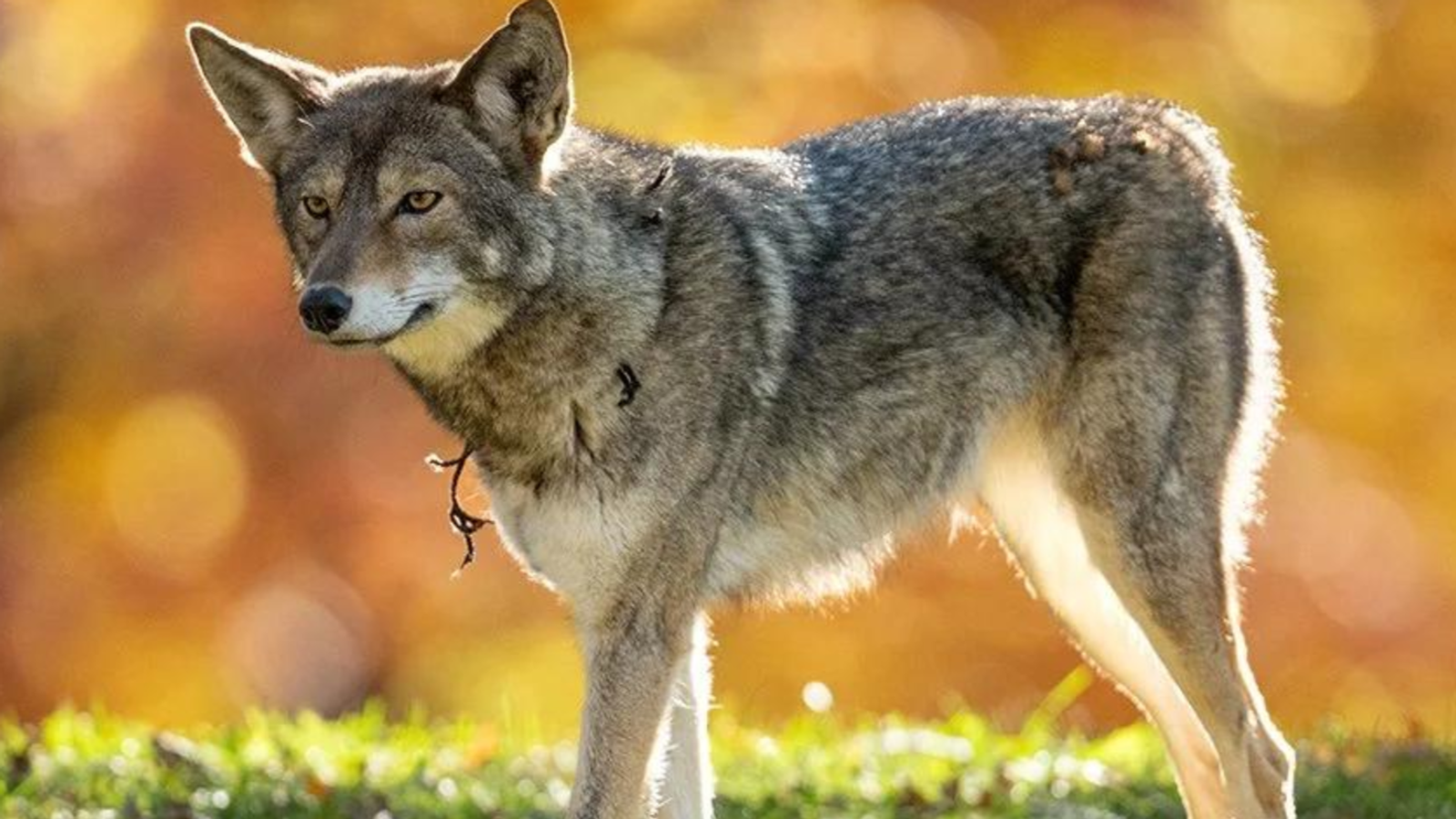


A frightening encounter between a child and a coyote at one of Toronto's popular parks has sparked a debate over what actually happened and whether human behaviour may be making the city's wildlife more dangerous.
The incident occurred Thursday, November 19, at approximately 11:34 a.m. in Edwards Gardens, near Lawrence Avenue East and the Bridle Path.
According to Toronto Police, a coyote attacked a child and dragged the child a short distance before bystanders managed to scare the animal away.
The child was treated at hospital for injuries, and police issued a public safety warning.
But on Sunday, a wildlife organization challenged that account.
Coyote Watch Canada acknowledged that the animal made contact with the child but disputed the claim that the child had been dragged. The organization also emphasized that the child's caregivers were present and responded immediately.
Are people making coyotes too comfortable around humans?
The organization says it has received reports of visitors deliberately approaching the coyote, including photographers allegedly using food to lure the animal closer for pictures.
While those allegations have not been independently verified, wildlife experts have long warned that feeding wild animals can make them less fearful of people and increase the risk of dangerous encounters.
Coyote Watch Canada is now urging visitors to give the animals space, avoid feeding them and report anyone attempting to lure wildlife closer.
The organization also cautioned against blaming the child's family, saying that speculation about the incident has added unnecessary distress.
Toronto residents are being reminded that coyotes are part of the city's wildlife population and can sometimes be spotted in parks, ravines and residential neighbourhoods.
Anyone encountering a coyote is advised to remain calm, stand tall, make noise and slowly back away without running.
For parents visiting Toronto's parks, the incident is an unsettling reminder to remain alert around wildlife.