


Democrats Sweep Midterm Elections, Seizing Control of House and Senate in Major Setback for Trump
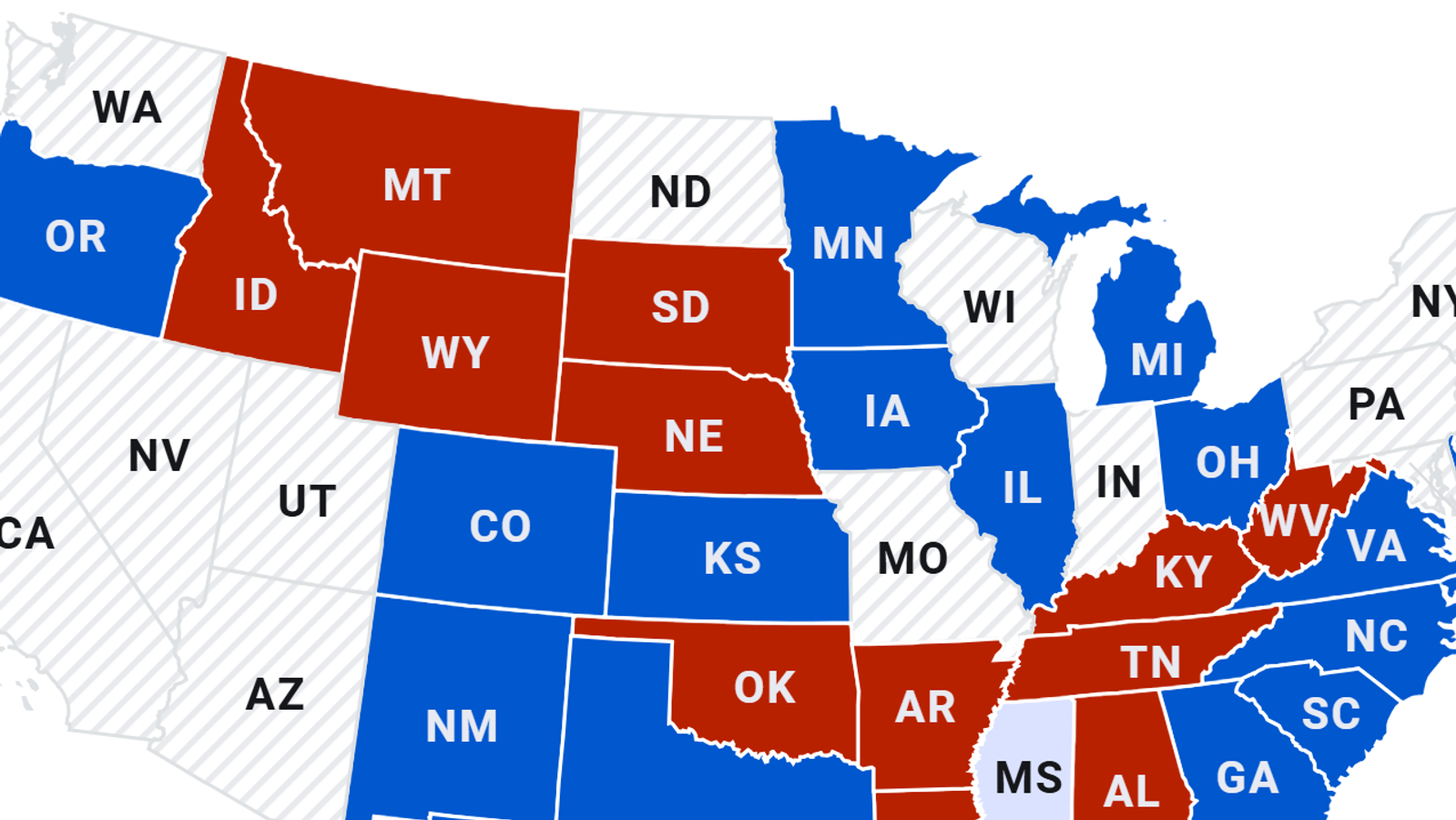


American voters delivered a sweeping political reversal in Tuesday's midterm elections, handing Democrats control of both chambers of Congress and dramatically reshaping the balance of power in Washington for the remaining two years of President Donald Trump's second term.
Democrats captured the House of Representatives and overturned the Republican majority in the Senate, flipping at least seven Senate seats and more than two dozen House districts.
The results represent one of the most significant midterm setbacks for a president's party in recent American political history.
Historic Democratic Victories
Among the night's most remarkable results was the victory of Democrat James Talarico in Texas, where he defeated Republican Ken Paxton to become the state's first Democratic U.S. senator elected since 1988.
Texas, which Trump carried by nearly 14 percentage points in the 2024 presidential election, had long been considered a Republican stronghold.
In Kansas, Democrat Adam Hamilton defeated incumbent Republican Senator Roger Marshall, marking another historic breakthrough in a state that had not elected a Democratic U.S. senator since 1932.
Other significant Democratic Senate victories included:
- Ohio: Former Senator Sherrod Brown defeated Republican incumbent Jon Husted.
- Maine: Democrat Troy Jackson unseated longtime Republican Senator Susan Collins.
- North Carolina: Former Governor Roy Cooper captured a Republican-held Senate seat.
- Iowa: Democrat Josh Turek defeated Republican Ashley Hinson.
- Georgia: Democratic Senator Jon Ossoff won re-election.
- Michigan: Democrat Abdul El-Sayed won the Senate seat, keeping it in Democratic hands.
Democrats also made substantial gains in gubernatorial and state legislative races, extending their success beyond Washington.
Why Did Republicans Lose?
Early voter surveys and election analysis suggest several factors contributed to the Republican losses.
Cost of living: Economic concerns remained central to voters, with high prices and household affordability emerging as major election issues.
The Iran war: The ongoing conflict and its economic consequences weighed heavily on the Republican administration. Vice President JD Vance acknowledged that the war contributed to the party's electoral difficulties.
Dissatisfaction with Washington: Polling also revealed frustration with the Trump administration, government corruption and the country's overall direction.
While individual races were influenced by local issues and candidates, the national results reflected a broad shift away from Republican candidates.
What Happens to Trump's Presidency?
The Democratic victories will significantly complicate Trump's ability to advance his legislative agenda.
Beginning in January 2027, Democrats will control both the House and Senate, giving them the power to block Republican legislation, scrutinize presidential appointments and launch congressional investigations into the administration.
Democratic committee chairs will also gain subpoena powers, potentially opening the door to investigations into government spending, executive decisions and other administration activities.
However, Trump will retain the presidency and his veto authority, meaning Democrats will generally need Republican support to enact legislation over his objections.
The result could produce two years of intense negotiations and political confrontation ahead of the 2028 presidential election.
Implications for Israel and Foreign Policy
The election also raises important questions about the direction of American foreign policy, particularly regarding Israel and the ongoing conflict with Iran.
Although the president retains substantial authority over foreign affairs and military operations, Congress controls appropriations and can exercise oversight over military spending, foreign assistance and administration policy.
A Democratic-controlled Congress could subject the administration's Middle East policies to greater scrutiny.
However, Democrats themselves hold differing positions on Israel, Iran and American military involvement overseas. The election results do not automatically translate into a unified congressional position on these issues.
What Comes Next?
Although control of Congress has been decided, several individual contests remain unresolved as ballots continue to be counted.
The precise size of the Democratic majorities will become clearer as outstanding races are called and results are certified.
For President Trump, the election marks a major turning point. After nearly two years of Republican control in Washington, he will now face a Congress controlled by the opposition party.
And for Democrats, the victories represent a significant political comeback, with major implications for the final two years of Trump's presidency and the race to succeed him in 2028.
Sources: Associated Press, Reuters, ABC News, Axios and Ballotpedia. Results reflect projections and reporting available November 4, 2026.