





Some Ontarians Are Done Changing the Clocks. Toronto Isn’t One of Them.
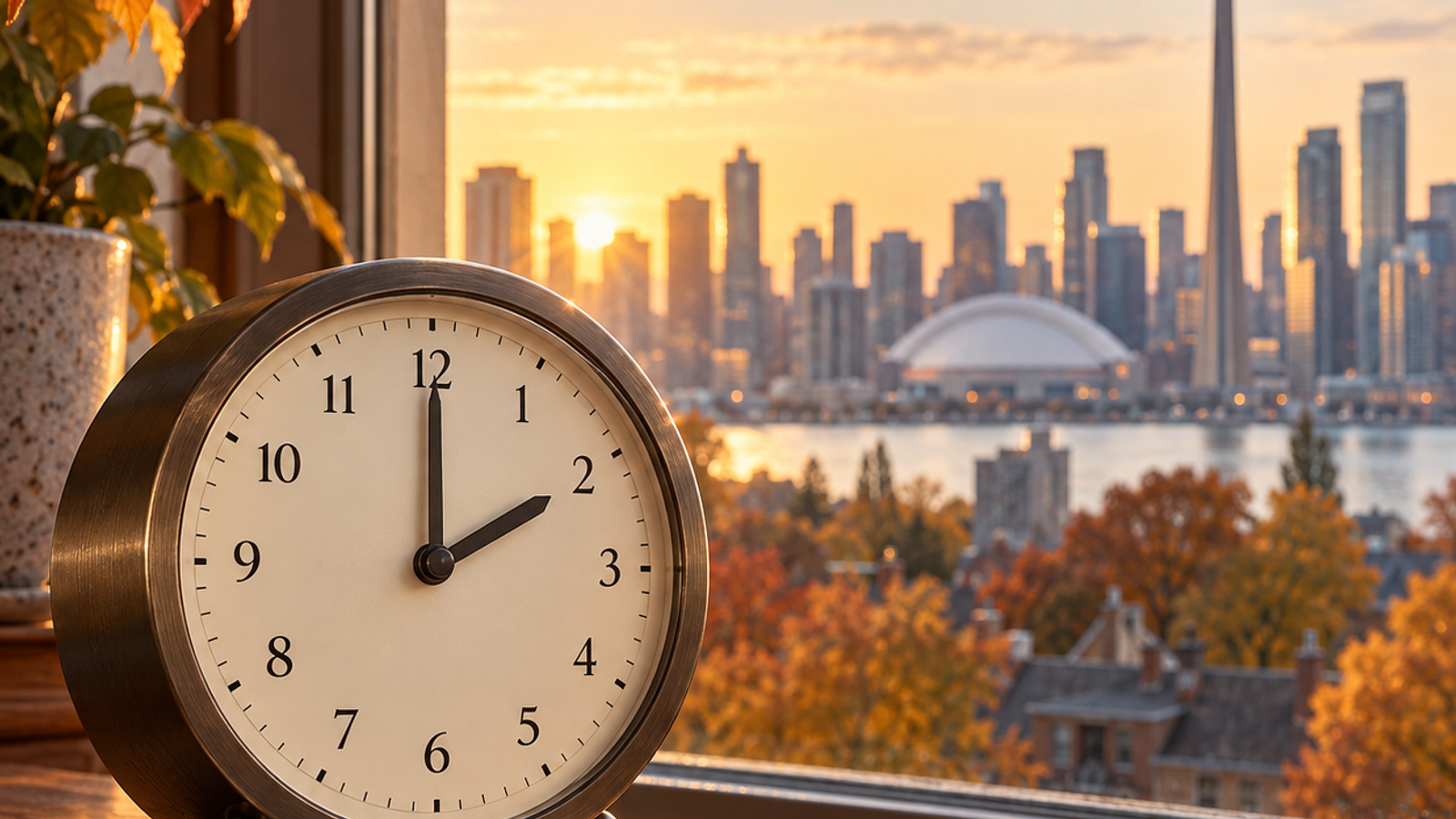


Toronto families will go through the familiar routine again on Sunday, November 1, when clocks turn back one hour. But in part of Ontario, the twice-yearly adjustment could soon be a thing of the past.
The provincial government announced October 13 that it intends to keep Kenora and parts of northwestern Ontario on daylight saving time permanently. The proposed change is scheduled for November 1 and would cover communities in Ontario’s Central Time zone that have historically kept their clocks aligned with Manitoba.
For Toronto, Thornhill and the rest of the GTA, however, it is still time to fall back.
Why only part of Ontario?
The reason is practical. Northwestern Ontario has close connections with neighbouring Manitoba, and the province wants to preserve that alignment. Keeping the same time makes it easier to coordinate business hours, medical appointments and travel across the provincial boundary.
Southern Ontario has different neighbours to consider. Ontario passed legislation in 2020 that would allow permanent daylight time, but the change has not been implemented. The province has indicated it wants to move together with Quebec and New York to maintain economic and cross-border alignment.
What would that mean for Shabbos?
Keeping daylight saving time through the winter would put sunrise and sunset one hour later on the clock than they are under standard time.
For Shabbos-observant families, that would mean later Friday candle-lighting times and later Shabbos endings compared with the current winter schedule. Sunrise would also appear an hour later, an important consideration for people fitting Shacharis into the morning before work.
The daylight itself would stay exactly the same. Permanent daylight time changes the hour displayed on the clock, rather than adding any sunshine.
That is why “stop changing the clocks” leaves another question unanswered: which time should stay? Permanent standard time favours earlier morning light. Permanent daylight time keeps that light later in the afternoon.
What Toronto readers need to know
For now, Toronto’s next clock change remains Sunday, November 1, at 2 a.m., when the time moves back to 1 a.m. Sunrise and sunset will then occur about an hour earlier by the clock.
Check that manual clocks are reset, and use an updated local zmanim calendar for the week ahead.
As for convincing small children that breakfast should happen an hour later, that remains a separate negotiation.