





On This Day in Jewish History | Telshe Yeshive
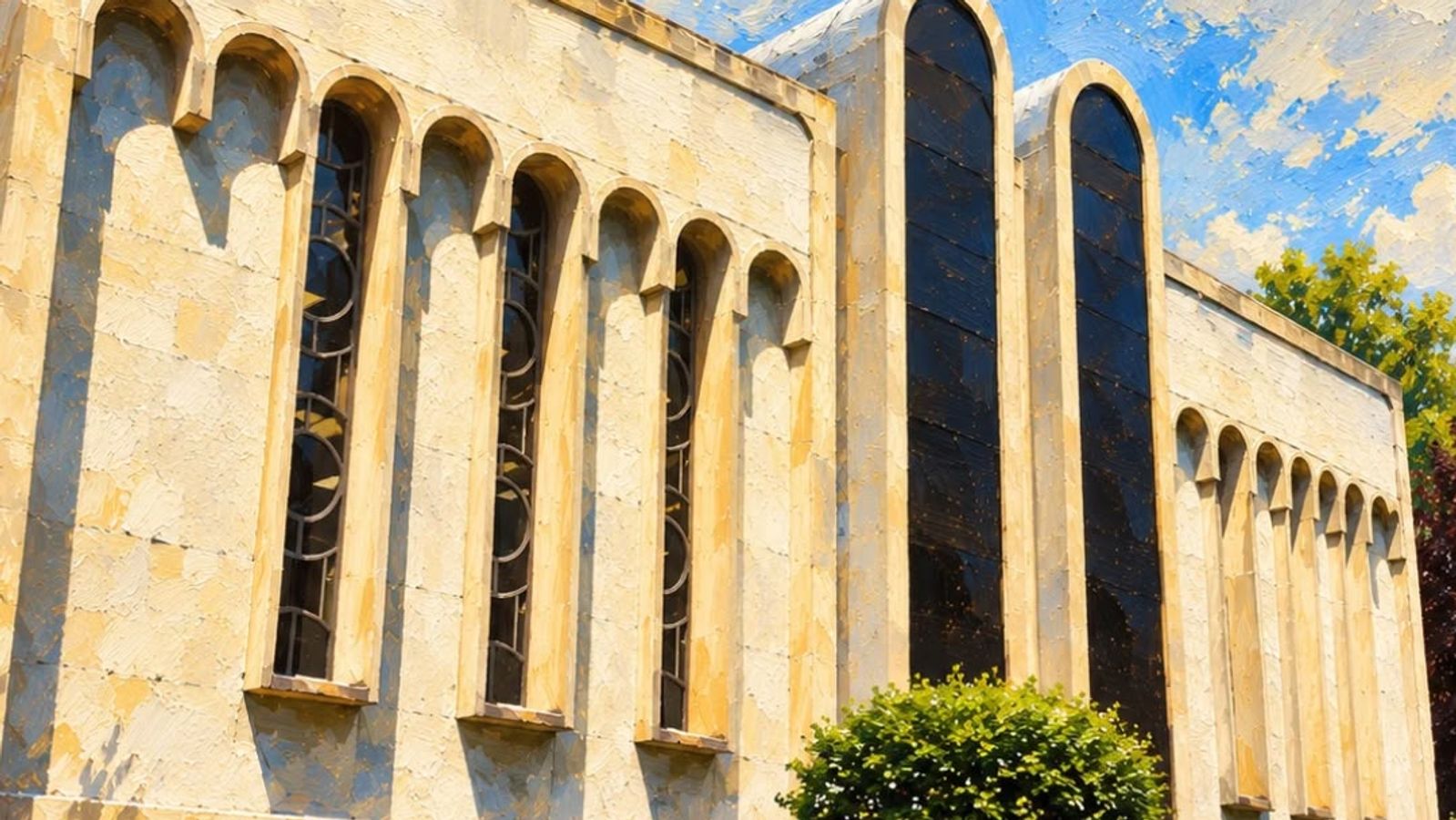


On this day in 1941, the Telshe Yeshiva was established in Cleveland, Ohio. The original stood in Telz, Lithuania. Rav Meir Atlas, Rav Zvi Yaakov Oppenheim, and Rav Shlomo Zalman Abel founded the yeshiva in 1875. Rav Eliezer Gordon took it over in 1883 and built it into one of the largest yeshivos in the Russian Empire. He died in 1910 on a fundraising trip to London. His successor Rav Yosef Leib Bloch built everything around it. There were primary schools, a preparatory school that taught secular subjects, and a kollel for training rabbis. He also opened a teachers’ institute and a girls’ high school called Yavne when most of the Torah world had not yet considered educating girls formally at all.
The Soviets took Lithuania in 1940 and closed the yeshiva. That same year Rav Elya Meir Bloch and his brother-in-law Rav Chaim Mordechai Katz sailed for America to find somewhere to rebuild it, leaving their wives and children in Telz. The Germans entered the town in June 1941. In the middle of July they shot every Jewish man. The women and children were held in a camp at Geruliai and shot at the end of August, and the last of them were killed at Rainiai on the final days of December. Rav Avraham Yitzchak Bloch, who had succeeded his father as rosh yeshiva and stayed, died with his town. Rav Chaim Mordechai Katz lost his wife and ten children. Neither man learned any of this until 1944.
They went from city to city looking for a community willing to house a yeshiva, and were turned away again and again before the Cleveland community said yes. They opened the yeshiva in a rented house. A group of students who had escaped eastward through Russia, led by Chaim Stein, joined them that year. The yeshiva was formally named the Rabbinical College of Telshe in 1954 and moved to Wickliffe in 1957, where enrollment reached four hundred and twenty five by 1966. Branches in Chicago, Riverdale, and Lakewood were established. Two men who had lost everyone established the flame of Torah in America as a continuation of a community that was destroyed.