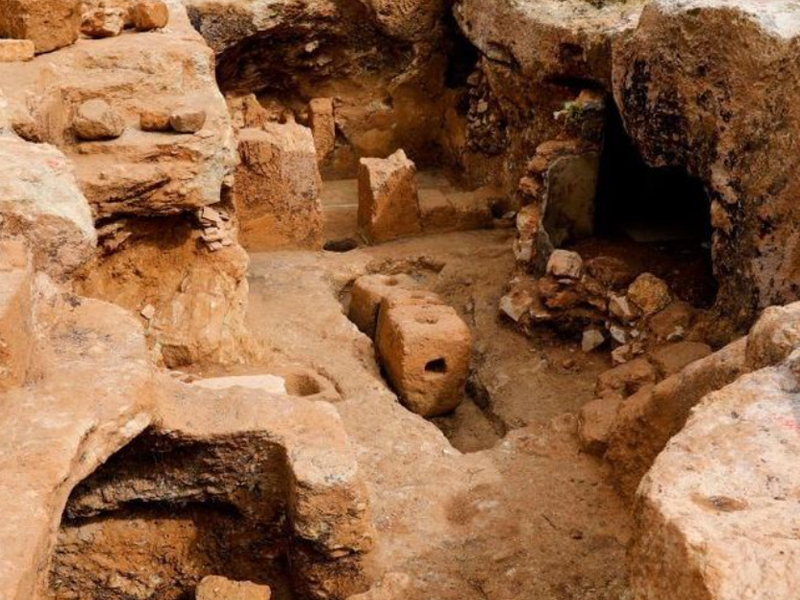






On This Day in Jewish History: R' Chaim Pinto
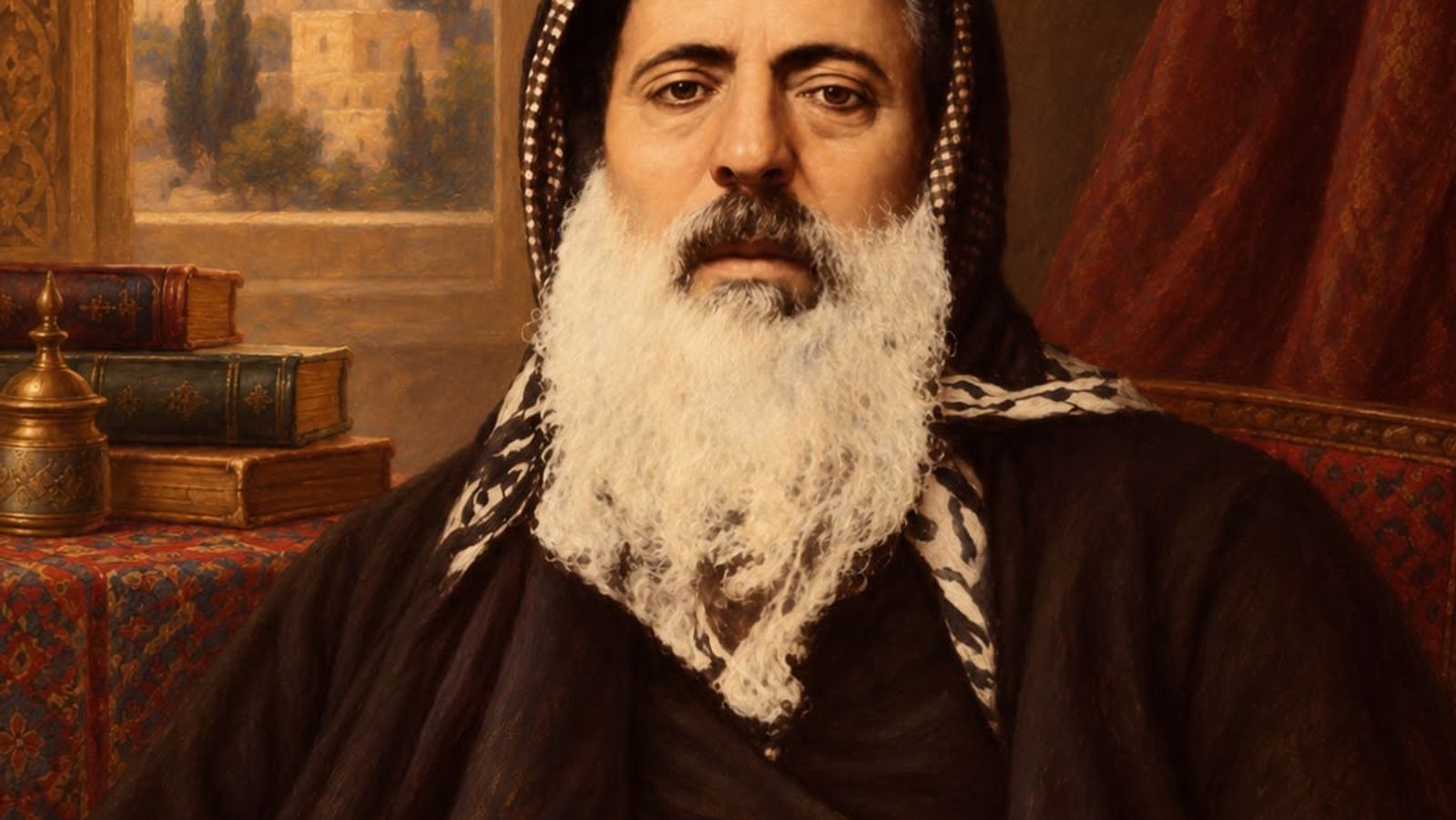


On this day in 1845, Rabbi Chaim Pinto Hagadol passed away, making this day his yartzeit. He was born in Agadir in 1749 into a family that traced its rabbinic line back to the expulsion from Spain, and by the age of twelve he had lost both his father and his mother. In those same years an earthquake destroyed the harbor of Agadir, and the Jewish families of the city, the Pintos among them, resettled in the new port of Mogador. The orphaned boy arrived there alone, hungry and exhausted, and fell asleep in a synagogue. It is told that his late father appeared that night in a dream to a relative in the city, Rabbi Meir Pinto, and rebuked him for sleeping comfortably while the child lay hungry, telling him that a great light would one day come from this boy. Rabbi Meir woke, found him, brought him home, and arranged for him to learn under Rabbi Yaakov Bibas, the head of the rabbinical court of Mogador.
He became the leading Torah figure of Moroccan Jewry. When his teacher died the community pressed him to take his place, and he refused out of humility until the leaders insisted. He sat on the beis din alongside Rabbi David Chazan and Rabbi Avraham Koryat, and the first letters of their three names spell the word echad, one. His fame spread beyond Morocco to Europe and the Middle East, and letters reached him from distant countries asking him to pray for Jews in trouble. The Arabs of the country revered him as well. His door stood open all day to anyone who came, rich or poor.
He wrote extensively on halacha, aggadah, and Kabbalah, but never managed to print his manuscripts, and nearly all of them were lost in the wars that came to Essaouira. What survives are scattered responsa preserved in the works of other rabbis who corresponded with him, and a handful of his piyutim. What endures most is his memory. He was held to be a man whose prayers were answered, and every year on this date Jews travel from around the world to the old Jewish cemetery of Essaouira for the yartzeit at his grave, a pilgrimage that has continued without interruption for well over a century.