





On This Day in Jewish History: Rav Yehonasan Eybeschutz
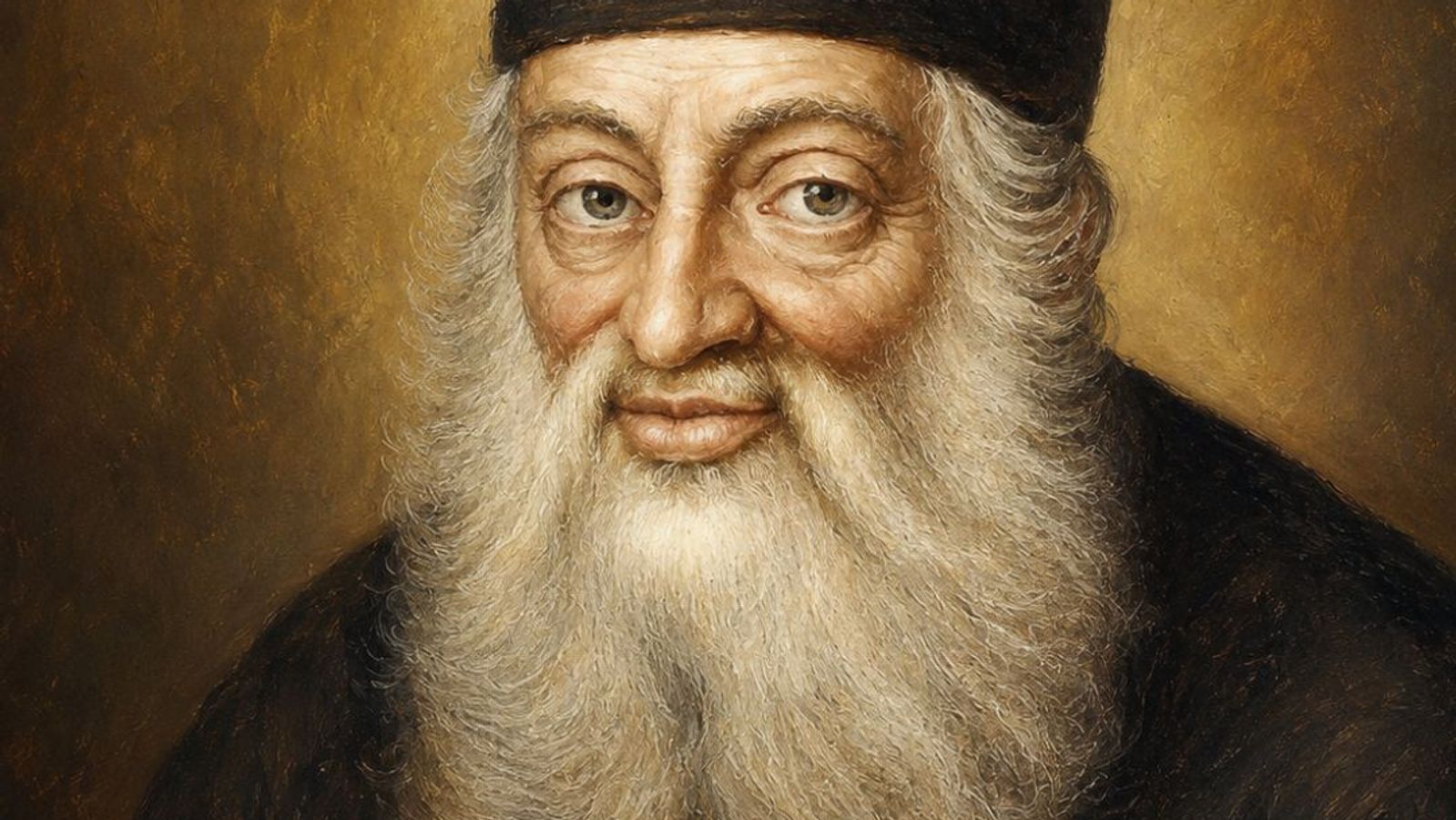


On this day in 1764, Rav Yehonasan Eybeschutz passed away, making this day his yartzeit. He was among the towering figures of his century, an acknowledged master in three separate fields at once: Talmud and halacha, homiletics and preaching, and Kabbalah.
Born in Poland around 1690, he was a recognized genius as a child, and after his father's death he learned in the yeshiva of Rav Meir Eisenstadt. At eighteen he was already serving as a rav, and by 1711 he had settled in Prague, where he headed a yeshiva and became so celebrated a preacher that he was reckoned second in the city only to the chief rabbi. He later led the community of Metz, and in 1750 was elected rav of the Three Communities of Altona, Hamburg, and Wandsbek.
His seforim remain central to Torah study to this day. The Urim VeTumim on Choshen Mishpat and the Kereisi UPleisi on Yoreh Deah are standard works in any serious study hall, and his Yaaros Devash, a collection of his sermons, has never gone out of print. Remarkably, only one of his works appeared in his lifetime. The rest were published afterward from the notes of his students, which is itself a measure of the impression his teaching made on those who heard it.
The last years of his life were consumed by one of the bitterest controversies in Jewish history. Rav Yaakov Emden accused him of harboring secret Sabbatean beliefs, pointing to amulets he had written whose inscriptions were suspected of invoking the false messiah Shabbetai Tzvi. The dispute tore communities apart, drew in the secular authorities of Hamburg and the Danish crown, and eventually involved the Noda BiYehuda and the Vilna Gaon. What is not disputed is that his Torah endures, learned daily by Jews across the globe.
Based on On this Day in Jewish History by Rabbi Pinchas Landis