






Trump Strikes Russian Oil Deal — Is Putin the Real Winner?
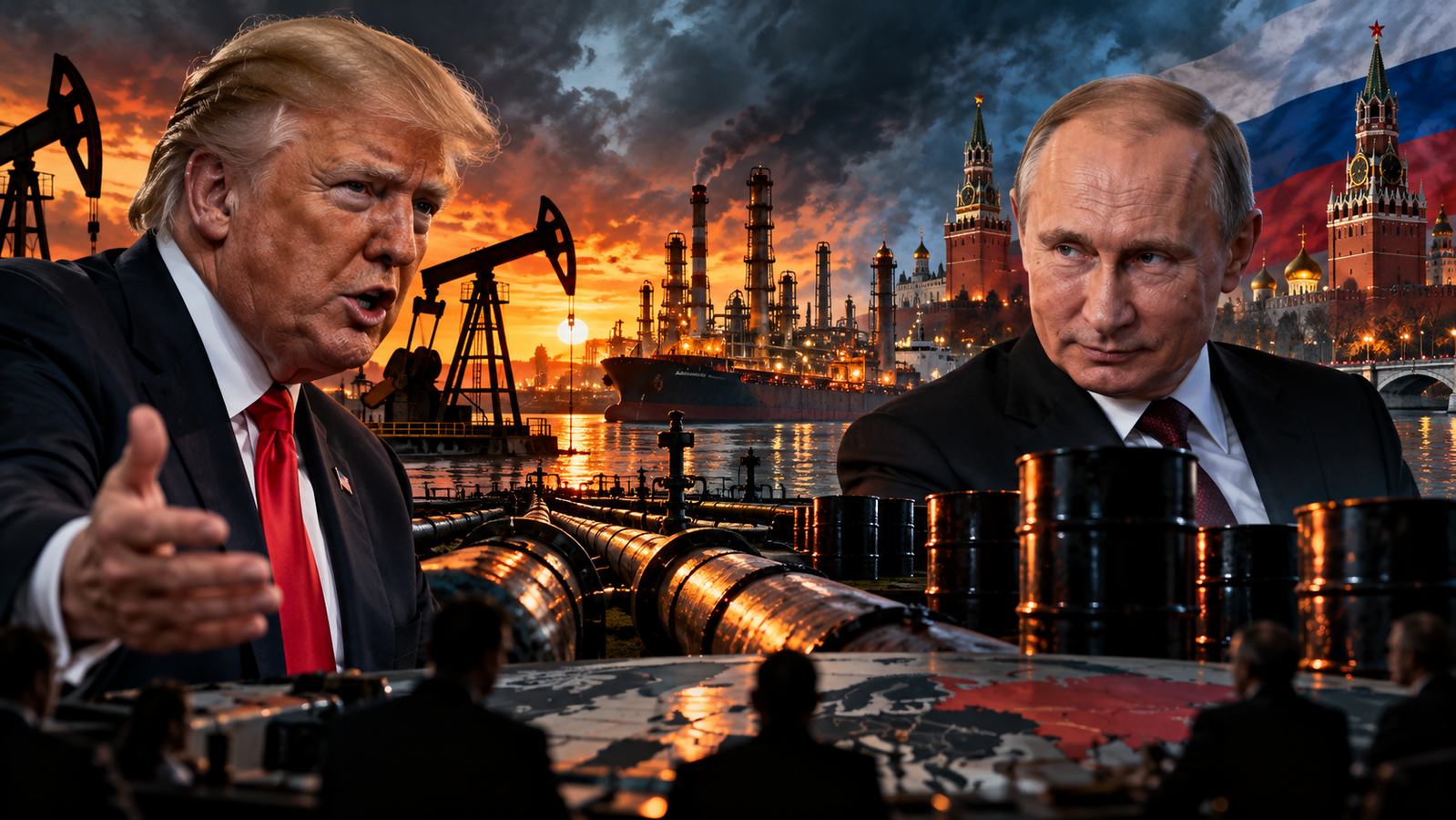


President Donald Trump has struck a controversial energy agreement with Russian President Vladimir Putin, opening the door to millions of tons of Russian diesel entering American and international markets — even as Russia continues its war against Ukraine.
The announcement Friday, October 9, represents a dramatic reversal of years of American efforts to restrict Russian energy revenues through economic sanctions.
Trump insists the agreement will help bring down soaring diesel prices. But critics are questioning why Washington is providing Moscow with a potentially lucrative opportunity, particularly when the United States already produces more petroleum and diesel than it consumes.
The deal has sparked condemnation from Ukrainian President Volodymyr Zelenskyy and senior European officials, who warn that easing sanctions could help finance Putin's continuing military campaign.
Millions of Tons of Russian Diesel
Following a telephone conversation with Putin, Trump announced that Russia would immediately release more than 300,000 metric tons of diesel into American and global markets, followed by another 500,000 tons in November, one million tons thereafter, and an additional three million tons within a relatively short period.
The total announced commitments exceed 4.8 million metric tons.
Trump presented the agreement as a major victory for American consumers, particularly farmers, truckers and businesses struggling with high transportation costs.
Diesel prices have soared amid disruptions to global energy markets caused by the war involving Iran, with American prices recently exceeding $6 per gallon.
The White House hopes additional Russian supply will help ease those pressures.
But Doesn't America Already Produce Enough Oil?
One of the most striking aspects of the agreement is that the United States is already the world's largest crude oil producer and a net exporter of petroleum.
More importantly, America also produces substantially more diesel than it consumes.
According to U.S. Energy Information Administration figures, American production of ultra-low-sulfur diesel totalled approximately 1.76 billion barrels in 2025, compared with domestic consumption of roughly 1.42 billion barrels.
The United States exports hundreds of millions of barrels of diesel annually.
Why, then, turn to Russia?
The explanation lies partly in the global nature of energy markets.
Even a country that produces more fuel than it consumes can experience rising prices when international supplies become constrained. American refineries and fuel distributors operate within a worldwide trading system, and domestic prices respond to international developments.
Additional Russian diesel could therefore provide some relief, even without addressing a fundamental shortage of American production.
But there is an important distinction between adding supply to global markets and merely redirecting existing Russian exports.
If much of the fuel would otherwise have been sold elsewhere, the overall impact on prices could be limited.
That raises a central question: Will American consumers receive enough financial relief to justify easing economic pressure on Moscow?
What Happened to the Sanctions?
Following Russia's full-scale invasion of Ukraine in February 2022, Washington imposed restrictions on Russian petroleum imports as part of a broader Western campaign to weaken the Kremlin's ability to finance its military operations.
Those restrictions were intended to reduce Moscow's energy revenues and increase the economic cost of continuing the war.
Yet on Friday, the U.S. Treasury Department issued a temporary licence allowing certain Russian diesel transactions, with relief extending into April 2027.
The move came just weeks after Trump signed additional sanctions legislation targeting Russia's energy sector and other sources of revenue.
Although the new authorization does not eliminate all sanctions against Moscow, it represents a significant relaxation of restrictions on Russian petroleum.
And unlike a sanctions concession exchanged for a ceasefire or withdrawal, no corresponding Russian commitment to halt military operations has been publicly established.
Zelenskyy: A Birthday Present for Putin
Ukrainian President Volodymyr Zelenskyy responded angrily, describing the arrangement as a gift to Putin, who celebrated his 74th birthday earlier in the week.
"It looks like a happy birthday present for Putin," Zelenskyy told Axios, calling the agreement "absolutely terrible."
He also condemned the easing of sanctions as unfair to Ukraine, particularly because Ukrainian representatives were simultaneously meeting with American officials in Miami to discuss proposals for ending the war.
Zelenskyy suggested that the diplomatic discussions had effectively provided cover for a separate American agreement with Moscow.
In another statement, he warned that allowing Russia to sell additional petroleum products amounted to investing in a war that should be brought to an end.
The Ukrainian leader indicated that sanctions relief might have been more defensible had it been linked to a reciprocal agreement ending attacks on energy infrastructure.
No such agreement has been publicly announced.
Europe Pushes Back
The controversy has also exposed growing differences between Washington and its European allies.
European Union foreign policy chief Kaja Kallas warned that relaxing sanctions would provide Moscow with additional revenue to continue its military operations.
She emphasized that Europe would maintain economic pressure on Russia rather than follow Washington's lead.
Swedish Prime Minister Ulf Kristersson also expressed concern, pointing to the importance of energy revenues in sustaining Russia's war.
Germany reaffirmed its commitment to existing sanctions and additional measures against Moscow, while British Prime Minister Andy Burnham pledged continued pressure on Russia.
The contrast is striking: as Washington moves to facilitate Russian petroleum sales, several of its closest allies are insisting that the Kremlin's energy revenues must remain restricted.
Moscow, meanwhile, has welcomed the development.
Russian presidential envoy Kirill Dmitriev said renewed energy cooperation between Russia and the United States would benefit the world economy.
Trump Turns His Criticism Toward Ukraine
The controversy intensified Saturday when Trump suggested that Ukraine should replace President Zelenskyy and criticized Ukrainian attacks on Russian oil refineries.
Those strikes have formed part of Kyiv's strategy to disrupt Russia's fuel supplies and weaken the energy sector that generates revenue for Moscow.
According to Axios, a senior American official said Trump's decision to pursue the Russian diesel agreement followed repeated unsuccessful requests for Ukraine to stop targeting Russian refineries.
The administration views those attacks as contributing to higher global fuel prices.
Ukraine, however, maintains that Russian energy infrastructure is an important component of Moscow's ability to sustain its war.
The disagreement raises an additional question about American policy: Is Washington now prioritizing lower international fuel prices over Ukraine's efforts to weaken Russia economically?
Meanwhile, Russian attacks on Ukrainian territory have continued, including deadly strikes in the Zaporizhzhia region.
What Does Putin Give Up in Return?
Perhaps the most consequential question concerns what Moscow has actually conceded.
The complete financial terms of the agreement have not been disclosed, and there is no publicly confirmed Russian commitment to a ceasefire, withdrawal or meaningful de-escalation in exchange for the sanctions relief.
Supporters of Trump's approach argue that the administration must prioritize the economic needs of American consumers and that additional global energy supply could help reduce inflationary pressure.
Critics counter that easing restrictions on Russian petroleum without obtaining concessions risks providing Moscow with additional revenue while weakening Western negotiating leverage.
The financial consequences will depend on the volume of diesel actually sold, the revenue Russia receives and whether the arrangement results in genuinely additional supply.
But the broader diplomatic implications are already apparent.
For years, the United States and its allies have sought to restrict Russia's energy revenues in order to constrain Putin's war effort.
Now Washington is facilitating additional Russian petroleum sales while pressing Ukraine to stop attacking Russian refineries.
And all of this is occurring while the United States remains one of the world's largest energy exporters.
The question is no longer simply whether Russian diesel can lower American fuel prices. It is whether the potential savings are worth providing Putin with additional revenue and diplomatic leverage — without any publicly established commitment from Moscow to end its war.