






Trump Escalates Canada Trade War With Outright Import Bans on Alcohol, Dairy Products and Motorcycles
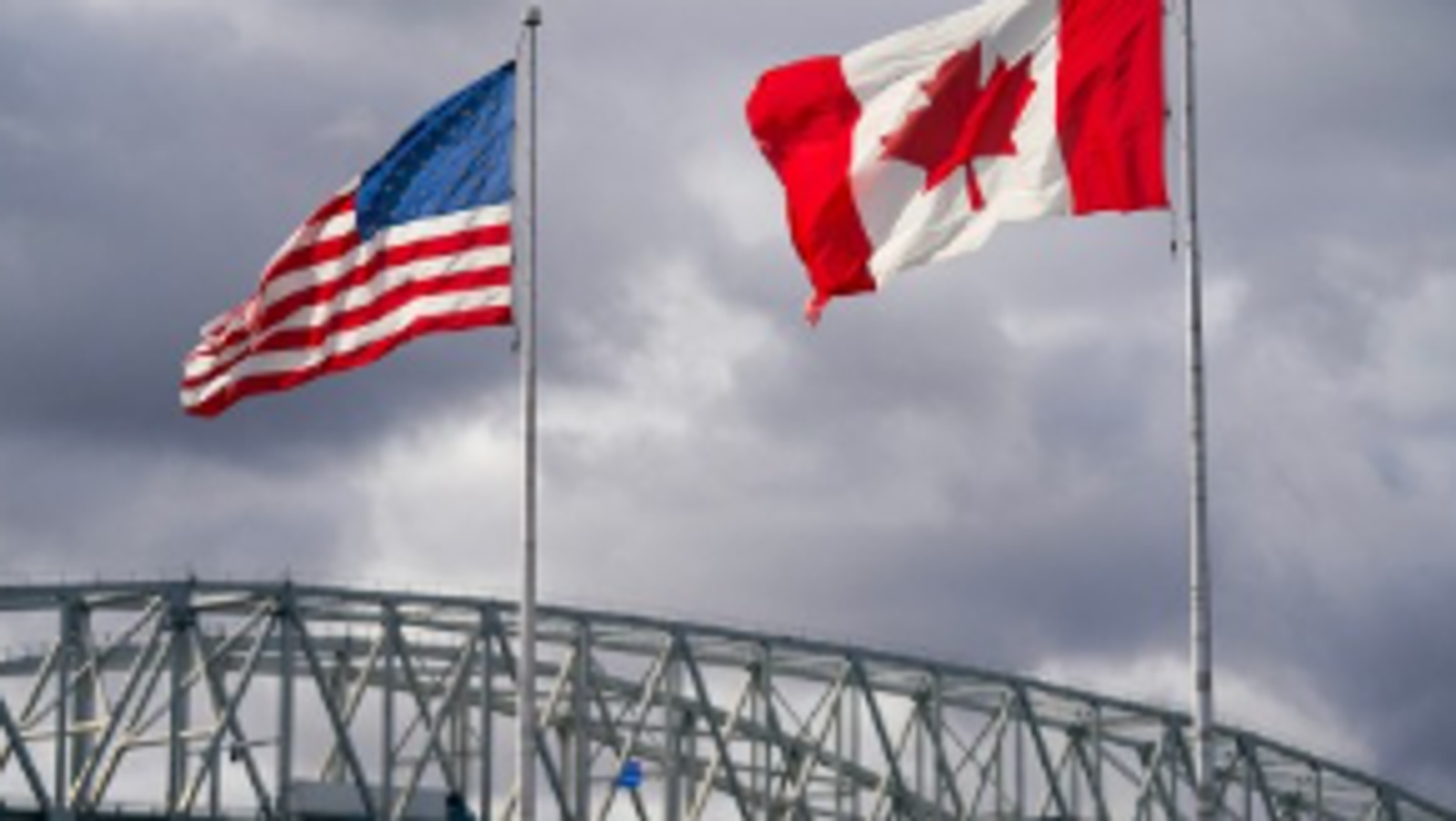


WASHINGTON — President Donald Trump has dramatically escalated the growing Canada-U.S. trade war, ordering outright bans on a broad range of Canadian alcoholic beverages, certain dairy products and motorcycles from entering the United States.
The new import bans will take effect at 12:01 a.m. on September 29, according to proclamations signed by Trump on Tuesday and published by the White House.
The move represents a significant escalation from the steep tariffs Washington had already imposed on Canadian products. Many of the goods that will now be banned have been subject to an additional 50% U.S. tariff since August 22.
According to Reuters, the alcohol ban appears to cover a wide swath of the Canadian industry, including beer and various types of wine, whisky, bourbon, rum, vodka, vermouth, tequila, mezcal and brandy.
The dairy-related ban is more limited than a blanket prohibition on Canadian dairy. Reuters reports that the affected products include whey protein, invert molasses, cane molasses and non-alcoholic beer. Additional Canadian cheeses are being subjected to the 50% tariff rather than banned outright.
Canadian motorcycles are also among the products being blocked from the U.S. market.
Tariff Changes Coming Sept. 15
Separate from the outright bans, the Trump administration is also reshuffling the list of Canadian products subject to its 50% additional tariff, with those changes taking effect September 15.
Some products, including rock salt and cement, are being removed from the tariff list, while new products — including ATVs, additional dairy products and various cheeses — are being added.
The distinction between the two dates is significant: September 15 brings changes to the 50% tariff list, while September 29 is when the newly announced import bans take effect.
Canada’s Retaliation Triggers New U.S. Measures
The latest escalation came after Canada’s own retaliatory tariffs on approximately US$20 billion worth of American goods took effect Tuesday.
Canada’s counter-tariffs range from 15% to 50% and target products including steel, furniture, clothing and electronics. Ottawa has said the measures were designed to put economic and political pressure on Washington following the collapse of negotiations between the two countries.
The White House, meanwhile, accused Canada of continuing to discriminate against American alcohol, dairy and motor-vehicle exports and said the import bans were necessary to protect U.S. businesses and workers.
Trump has invoked Section 338 of the Tariff Act of 1930, a rarely used provision allowing a president to impose duties or exclude products from countries deemed to be discriminating against U.S. commerce.
Canadian Trade Minister Dominic LeBlanc pushed back against the latest measures Tuesday night, saying Ottawa remains focused on protecting Canadian “workers, farmers, families, and businesses” and that he remains in contact with U.S. Trade Representative Jamieson Greer about a possible path forward.
Bombardier and Government Purchasing Also Targeted
The import bans are only one front in the rapidly widening dispute.
Trump has separately threatened Canadian aircraft manufacturer Bombardier, saying its planes would no longer be allowed to be sold in the United States unless the company begins manufacturing there.
On Tuesday, Trump also directed the U.S. General Services Administration to begin taking steps to remove Canadian-made products from federal government purchasing schedules unless Canada provides what he called “full and fair reciprocity” for American companies seeking access to Canadian government procurement markets.
The escalating measures are raising broader questions about the future of the deeply integrated Canada-U.S. trading relationship and the stability of the USMCA free-trade agreement.
Prime Minister Mark Carney acknowledged Tuesday that reducing Canada’s economic dependence on the United States would carry costs, but argued that Canada needs to continue diversifying its economy.
“We have everything we need to pivot and prosper,” Carney said.
With Canada and the United States now moving beyond tariffs and into outright restrictions on each other’s goods, the trade confrontation between the longtime allies appears to be entering a significantly more serious phase.